Ursula Gressenbauer, Archehof Hinterkatzberg, Upper Austria
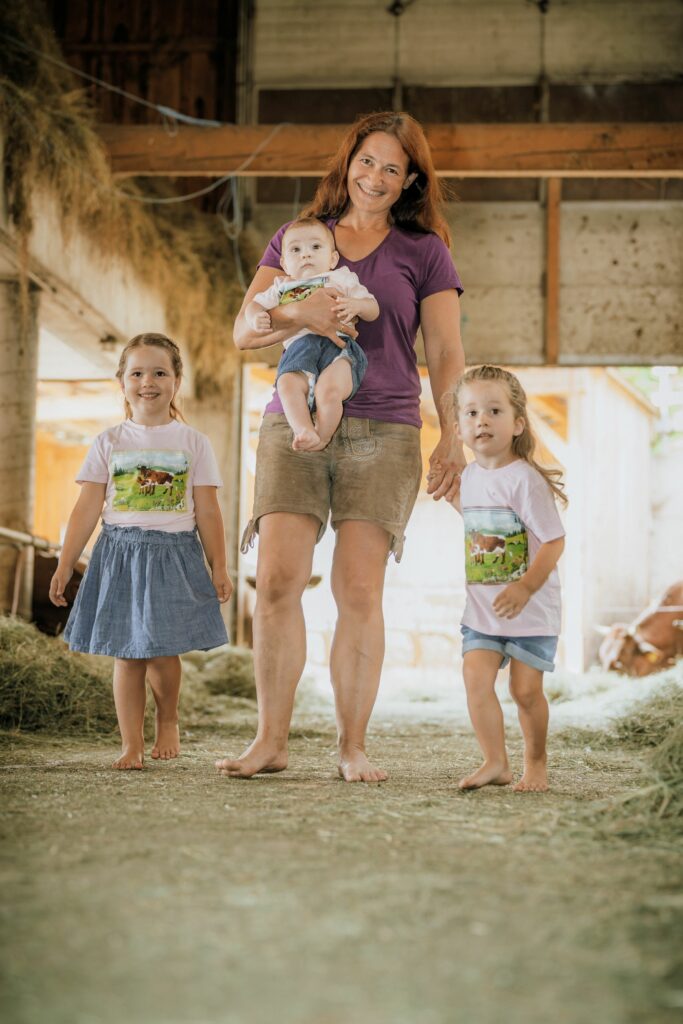
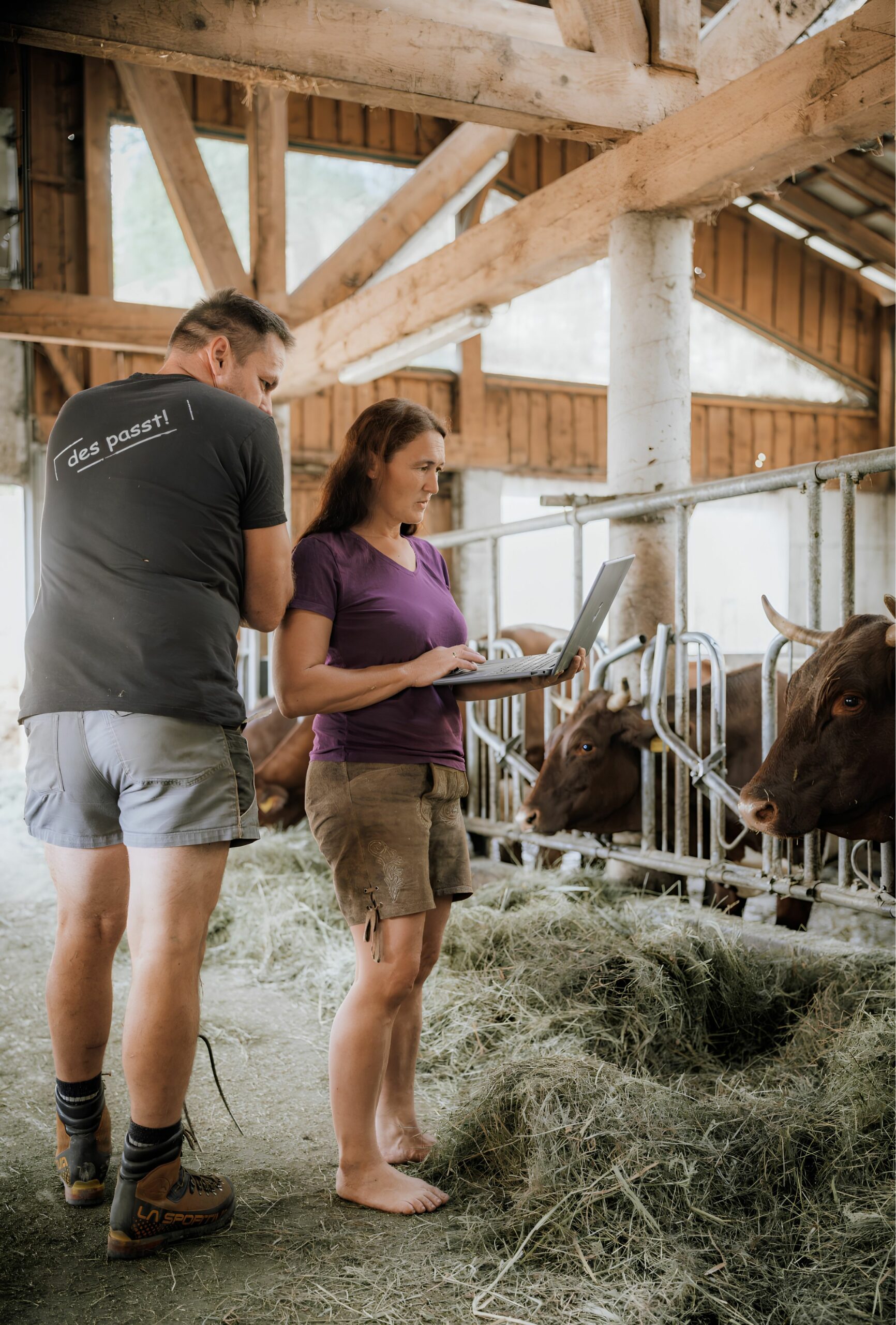
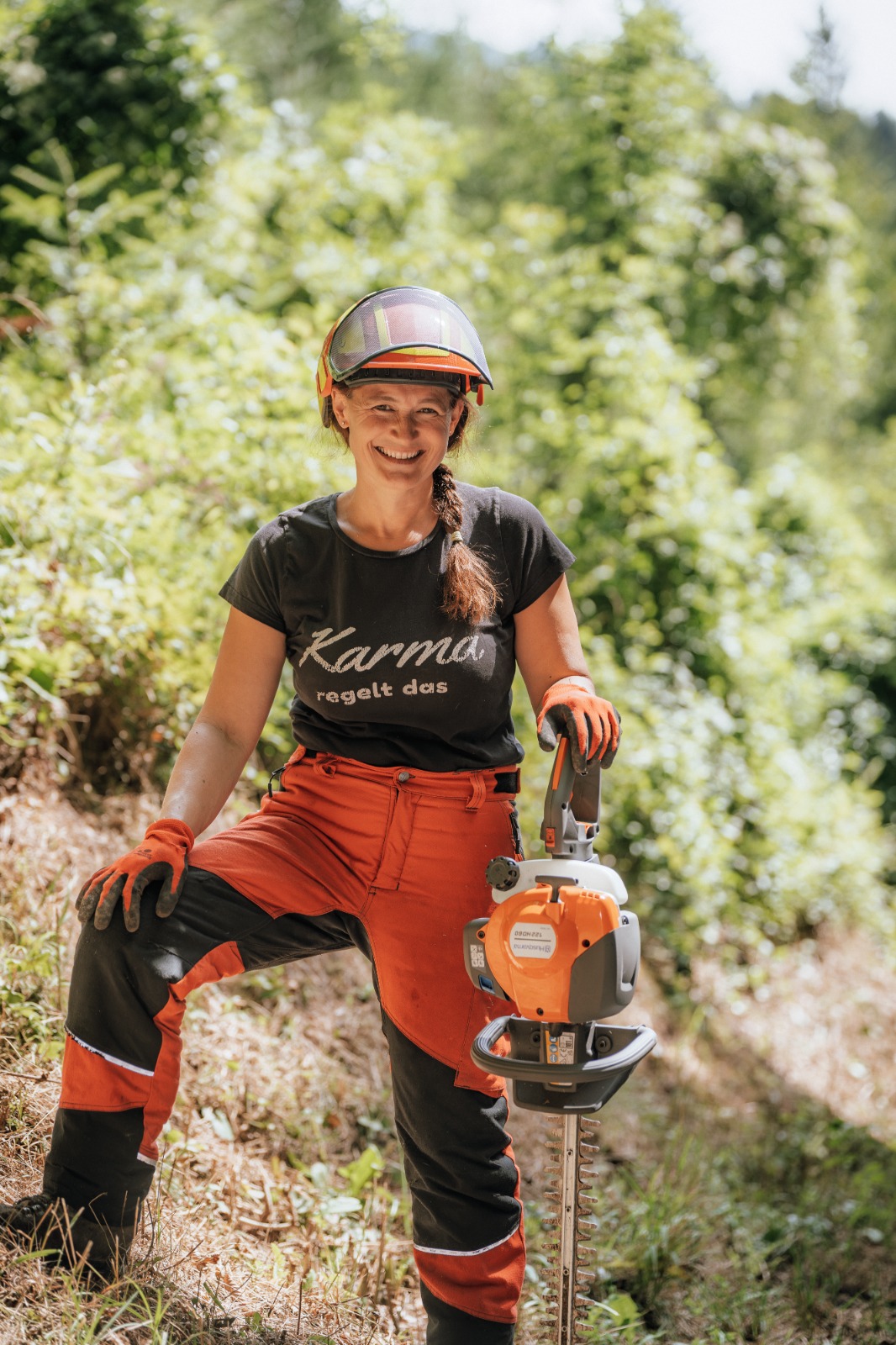
For me, feminism in agriculture means not having to demand my place, but taking it naturally as a matter of course. I operate machinery, work in the forest, make decisions, and bear responsibility for our farm. At the same time, I am a mother and a grandmother, passing on my passion for agriculture to the next generation. Femininity and strength are not a contradiction to me. It’s not about doing everything like a man — it’s about being able to do anything as a woman, naturally and without question: For me, feminist agriculture doesn’t mean making agriculture more feminine. Rather, it means shaping agriculture in such a way that gender plays no role in who leads, decides, operates machinery, takes over a farm, or carries responsibility.
Over generations, women have learned to think pragmatically, find solutions, adapt, and keep going. Perhaps that is exactly where a unique strength lies: not spending time talking about why something won’t work, but finding a way to make it happen. Agriculture needs exactly this capability—today perhaps more than ever. And in doing so, it’s not about doing everything like a man. A woman can stand in the forest with a clearing saw, operate a hay crane, make business decisions, and run a farm. And at the same time, she can be a mother and a grandmother, care for others, and pass on her knowledge to the next generation. To me, feminist agriculture doesn’t mean saying, “Women can do that too.” It means recognizing that women have been doing it all along — in their own way. And that should be perfectly natural.
Fotocredits: Ursula Gressenbauer