ViVid Visibility
Tools and training to help LSPA networks communicate clearly, strengthen digital skills, and reach wider audiences.

What this Page Offers
This page brings together practical visibility resources you can use right away. You will find two training modules to help strengthen communication skills and digital confidence, alongside two webinar recordings that make the learning easy to revisit and share. The page also includes a digital communications toolkit with concrete guidance for outreach, messaging, and online presence. To support implementation, it offers a website template, a digital media guide, and visual identity resources that can help your network communicate more clearly and consistently. Together, these materials are designed to make visibility more usable, more strategic, and more connected to the everyday work of LSPA networks.
What Visibility Means for ViVid
Visibility means helping people clearly see who you are, what you do, and why it matters. It starts with telling your story in a simple, human way: how your network works, who is involved, and what kind of food system you are building. It also means showing your impact, from supporting farmers and local food to strengthening solidarity, and participation. Visibility is also about communicating your values openly, so members and partners understand the principles behind your work. Finally, it means reaching beyond your immediate circle: connecting with members, allies, decision-makers, and wider publics through clear messages, accessible language, and digital tools that make your work easier to recognise, trust, and support.
Visibility: Learning, Teaching, Training Activity
Prague, April 2025
Details of the Event
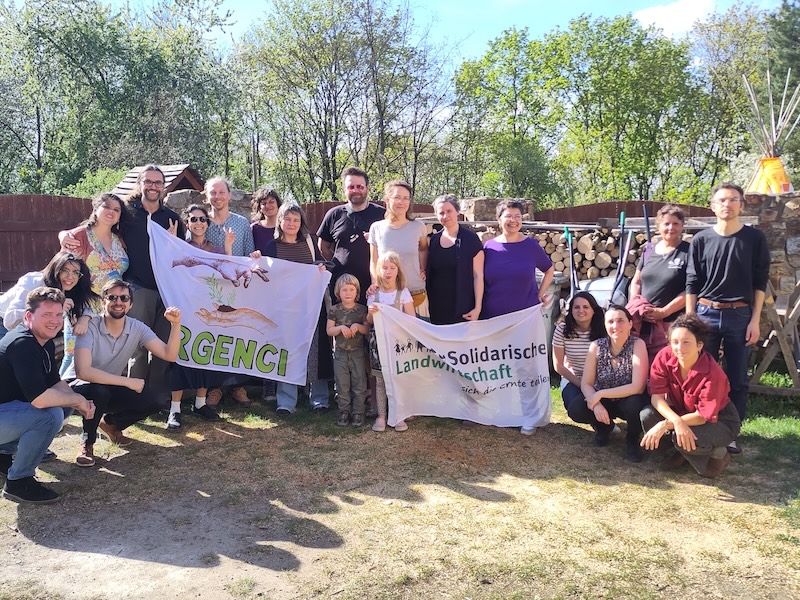
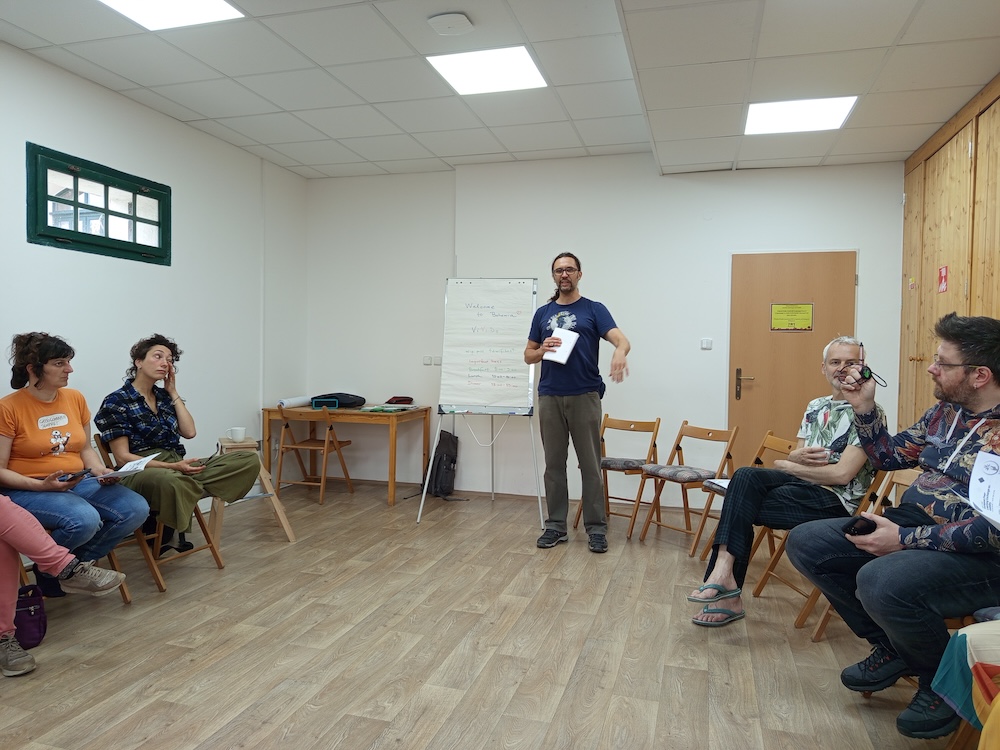
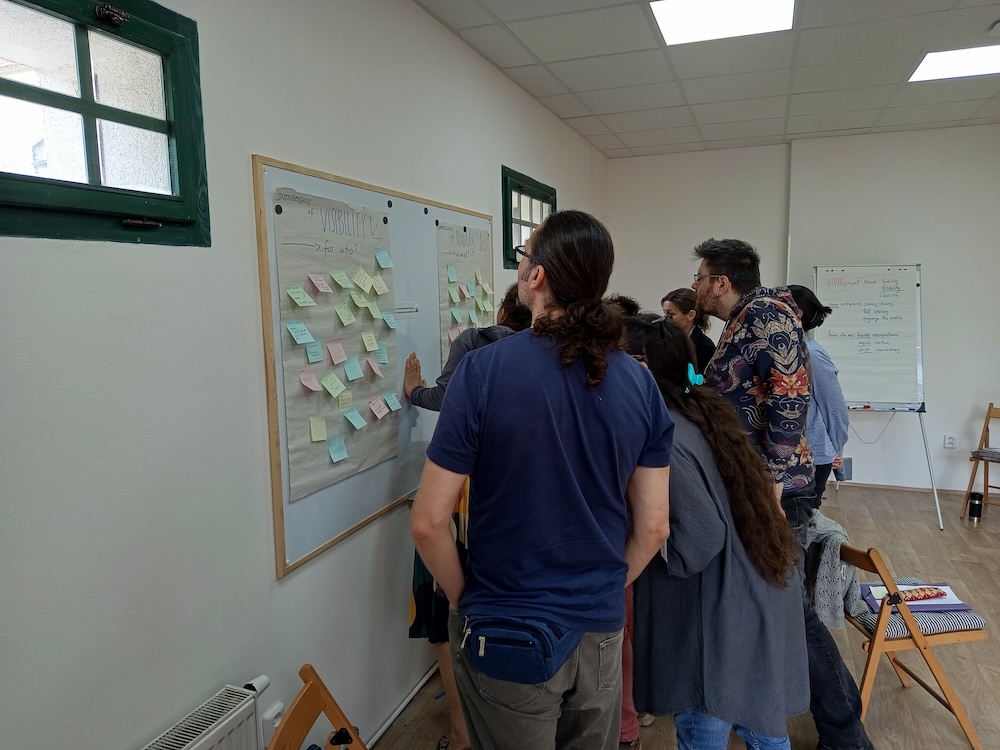
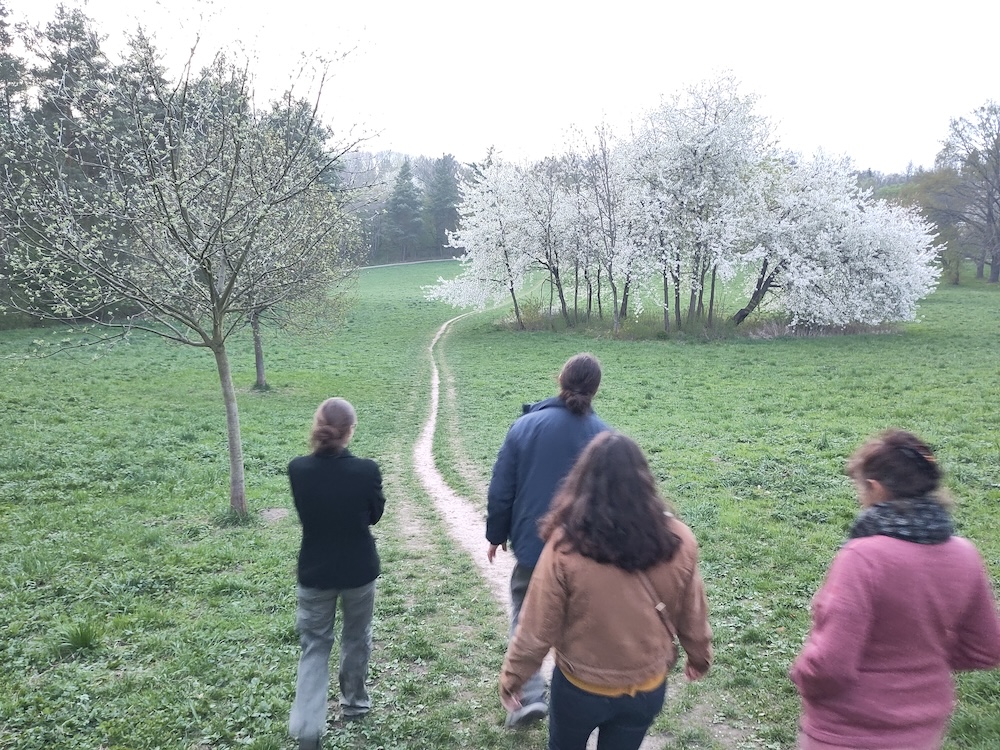
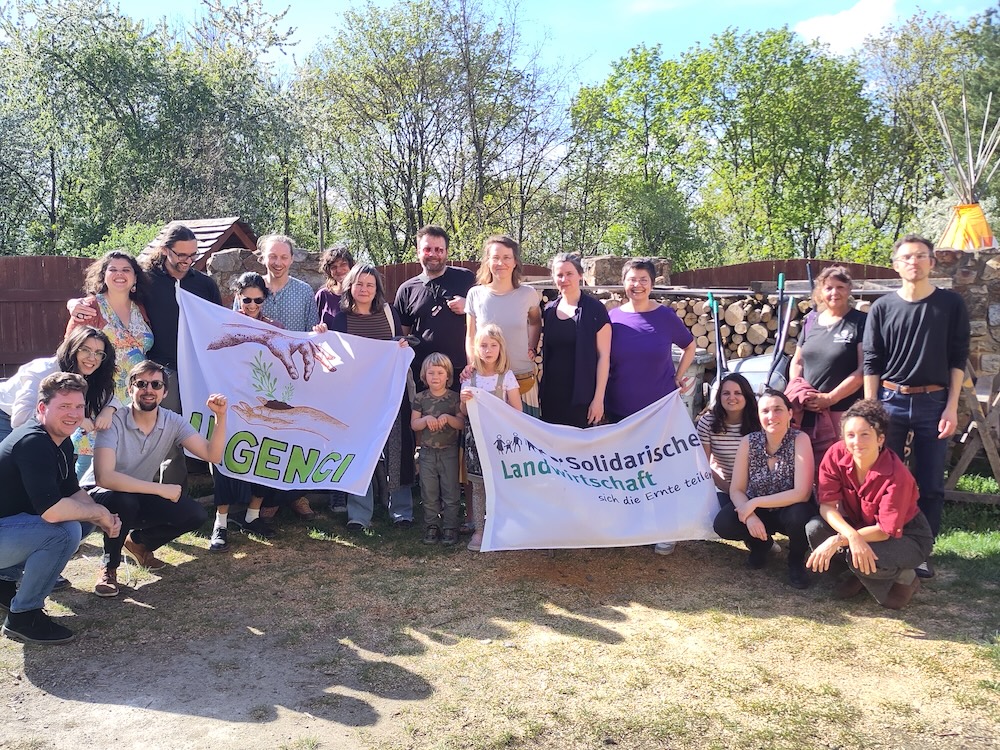
In April 2025, ViVid partners and participants from CSA networks across Europe met in Prague for a multi-day training on visibility and communications.
Participants began by mapping their own strengths and needs, then worked through sessions on public relations, social media strategy, video editing, design, podcast production and press relations. Some of the challenges raised included: the difficulty of integrating new tools, how to align network ethics to highly corporate tools, and the need to be mindful of energy and water consumption in the usage of technical tools. The event closed with a peer exchange of communications successes and failures from CSA and LSPA national networks.
The training built practical, usable digital skills while visibilising strategic questions, such as: how should grassroots movements engage with commercial platforms? How to make networks visible to journalists? And, how to optimise the very limited capacity within our networks for real impact? The outcomes from the Prague event fed directly into the work of developing the modules for the Visibility training programme.
Digital Media Guide
This toolkit section brings together the most practical visibility resources in the ViVid area. It is designed as a clear, well-labelled toolbox that networks can return to whenever they need support with communication, outreach, or digital presence. Inside, users will find the Digital Communications Toolkit, an Interactive Digital Media Guide, a Website Template, and Visual Identity Support resources. Together, these tools help LSPA networks communicate more consistently, build confidence online, and present their work in ways that are accessible, credible, and engaging. Rather than offering theory alone, this section is meant to support real use: helping groups strengthen their public presence, share their values, and make their activities easier to recognise, understand, and support.
Visibility – Online Tools
This module explores how digital communication can help CSA groups become more resilient and support the growth of the wider movement. It introduces core online visibility tools, including marketing, digital dissemination, social media, and newsletters or email communication, with practical guidance that groups can adapt to their own needs.
Visibility – Offline Tools
This module focuses on the face-to-face and public dimensions of visibility that help CSA groups build trust, strengthen relationships, and grow their communities. It covers in-person events and relations with the press, showing how offline communication can reinforce resilience, credibility, and the long-term development of the movement.