Self-Assessment Toolkit
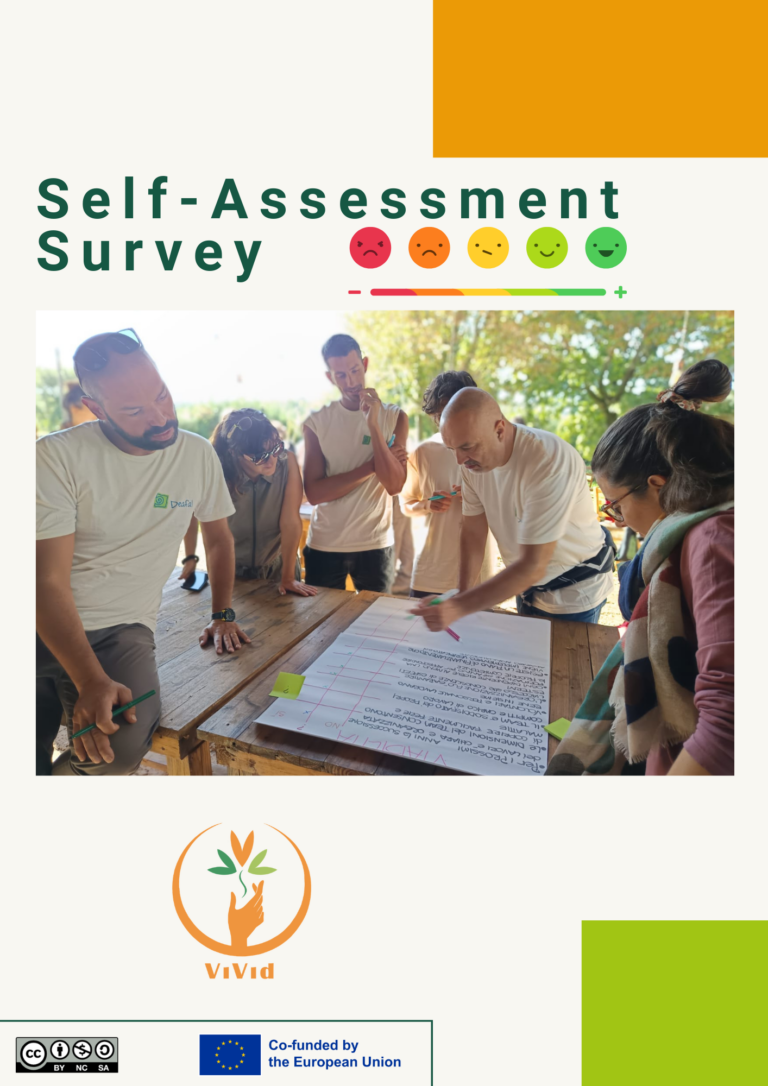
Self-Assessment Survey
How well is your CSA or LSPA network actually doing and how would you know? This toolkit gives network organisations a practical & structured way to find out.
Developed through iterative contributions from seven partner networks, the Self-Assessment Toolkit helps to evaluate a network’s viability, visibility, and liveability using tested and participatory methods.
Inside you willl find two Excel questionnaire templates (the Trilemma Questionnaire and the ViVid Template), a PDF guidance notes document, and a synthesis report template. Also, the toolkit includes real-world assessment materials from project partners Zambra, AMPI, Miramap, Deafal, URGENCI, Gasap, Solawi, and FER, with multilingual examples in English, Spanish, French, Italian, German, and Polish.
The methodology suggests that it works best when adapted to fit your network’s context, but it can be undertaken as a template using the tools as they are. Either way, it’s a solid starting point for a network serious about genuine self-reflection and growth.
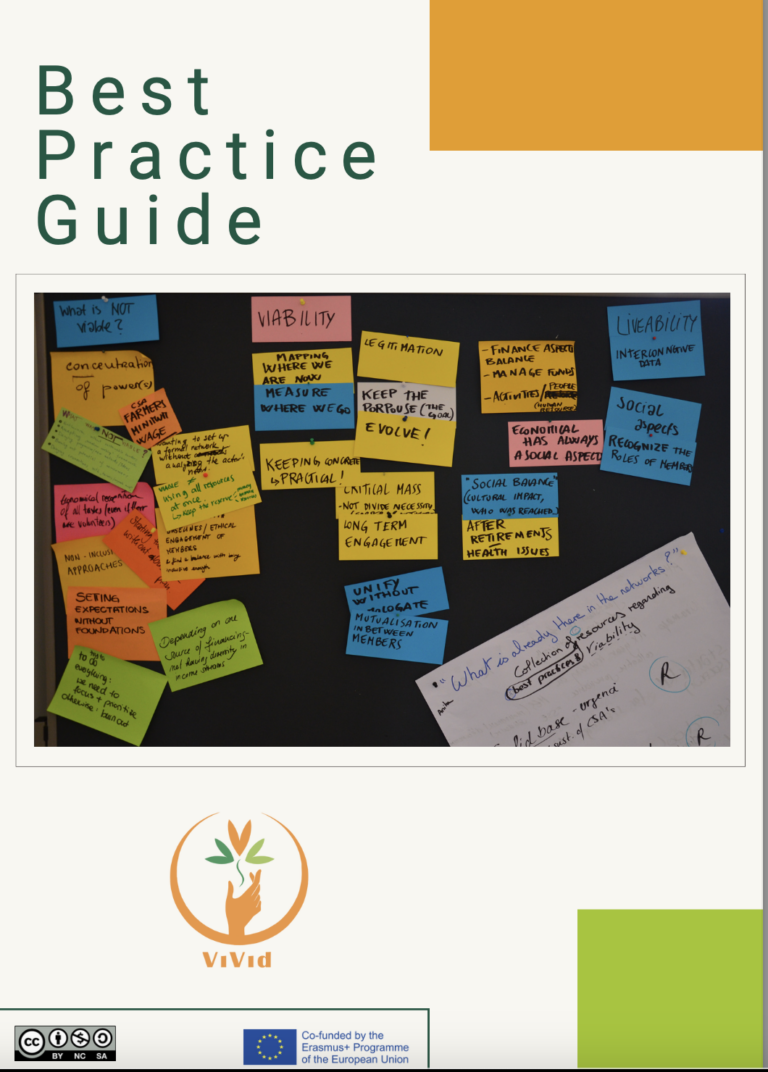
Best Practice Guide
The ViViD Best Practice Guide is a practical resource designed to help CSA (Community Supported Agriculture) and LSPA (Local Solidarity-based Partnerships in Agroecology) networks strengthen their Viability, Visibility, and LiVeability. Developed through participatory processes across European networks, the guide offers a structured framework to address challenges and build resilient, inclusive food systems.
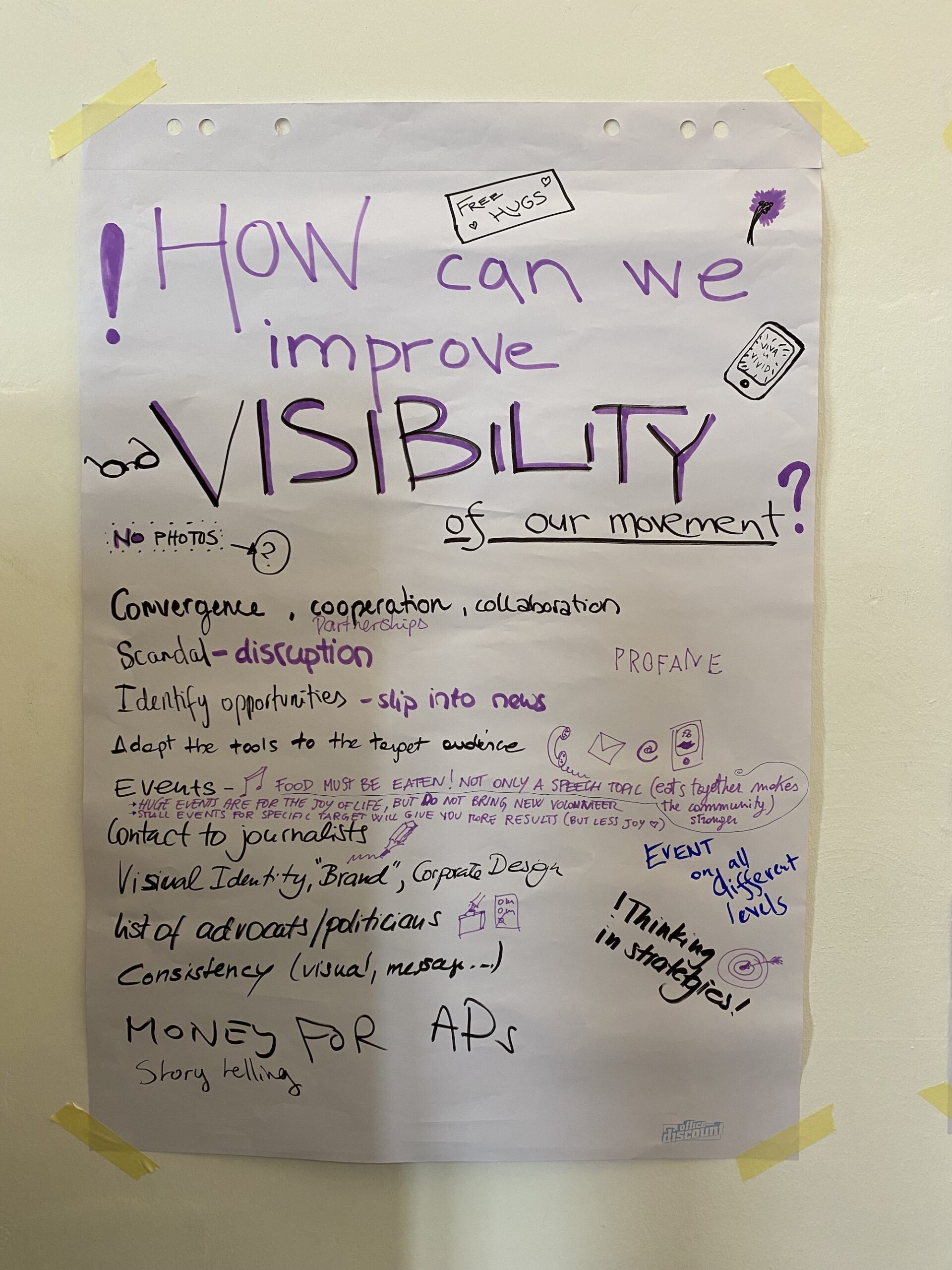
For Viability, the guide emphasizes financial sustainability, strategic planning, good governance, and shared knowledge systems. Visibility focuses on how networks communicate their values and impact through storytelling, branding, digital presence, and advocacy. LiVeability addresses the internal culture—ensuring inclusive participation, care, well-being, and conflict resolution.
The guide includes real-world case studies, such as agroforestry in the Czech Republic (AMPI), digital storytelling in France (MIRAMAP), and participatory governance tools from Italy (DEAFAL). Each illustrates how networks can adapt and apply these principles in diverse contexts.
Designed for both emerging and established networks, the guide can be used alongside a self-assessment toolkit to identify needs and tailor strategies. It supports peer learning, strategic reflection, and continuous improvement—making it a living tool for grassroots transformation and food sovereignty.
Self-Assessment User Guide
This handbook explains how to use the “Self-Assessment Survey.” This tool is based on the so-called Trilemma Check. Originally developed for community-supported agriculture (CSA) farms, this check helps to find a balance between three critical areas: economic viability, social cohesion, and the realization of one’s own ideals.
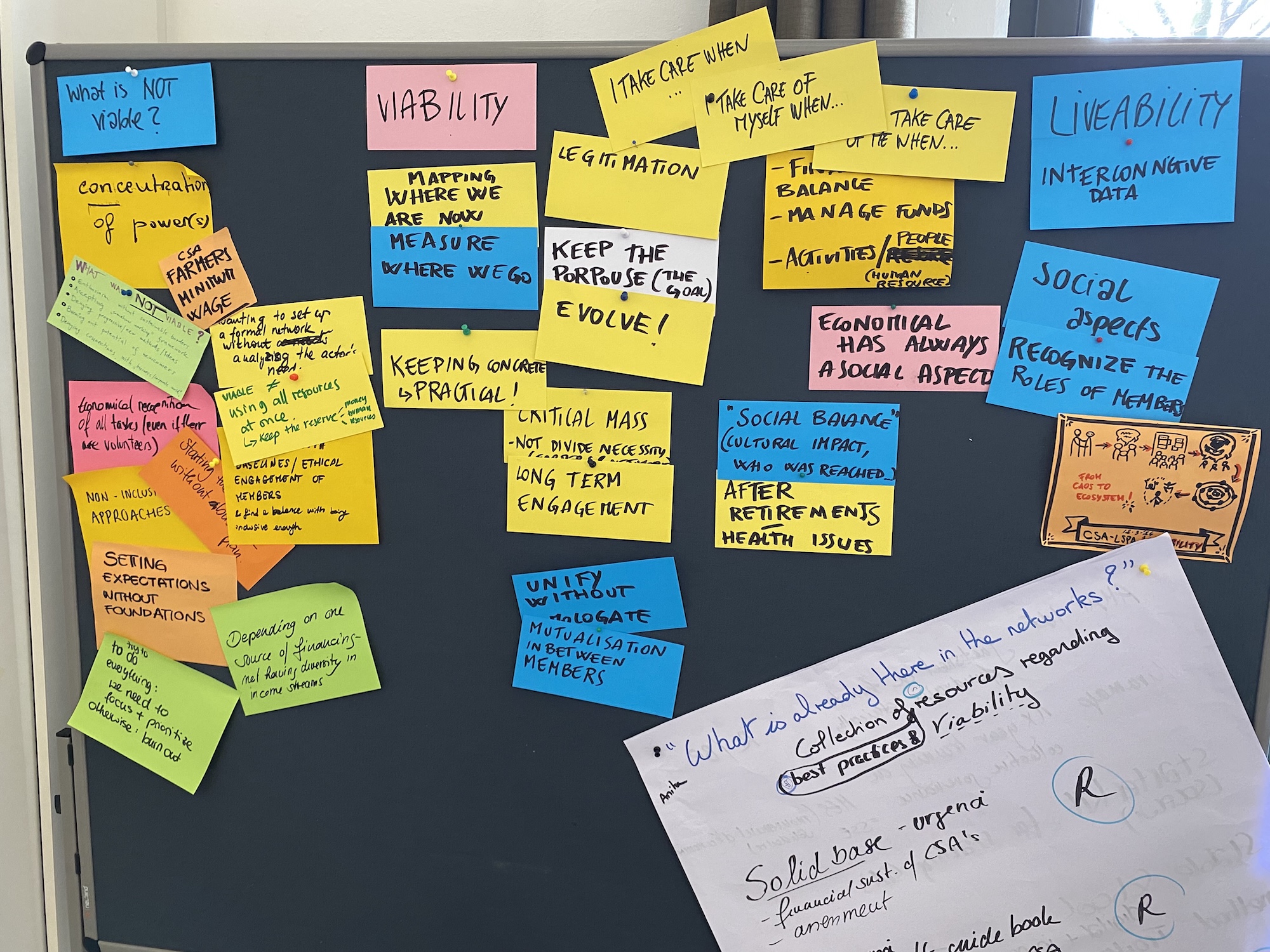
In the ViVid project, this approach was specifically extended to network organizations. Instead of a rigid questionnaire, the tool is designed as a structured reflection exercise. Networks can use it to assess their future viability, visibility, and liveability. The questions were translated and flexibly adapted to the country-specific contexts of the partners.
The goal is to uncover blind spots, create a shared understanding within the team, and directly derive concrete measures for stabilization and further development.